


Add flavour, sophistication
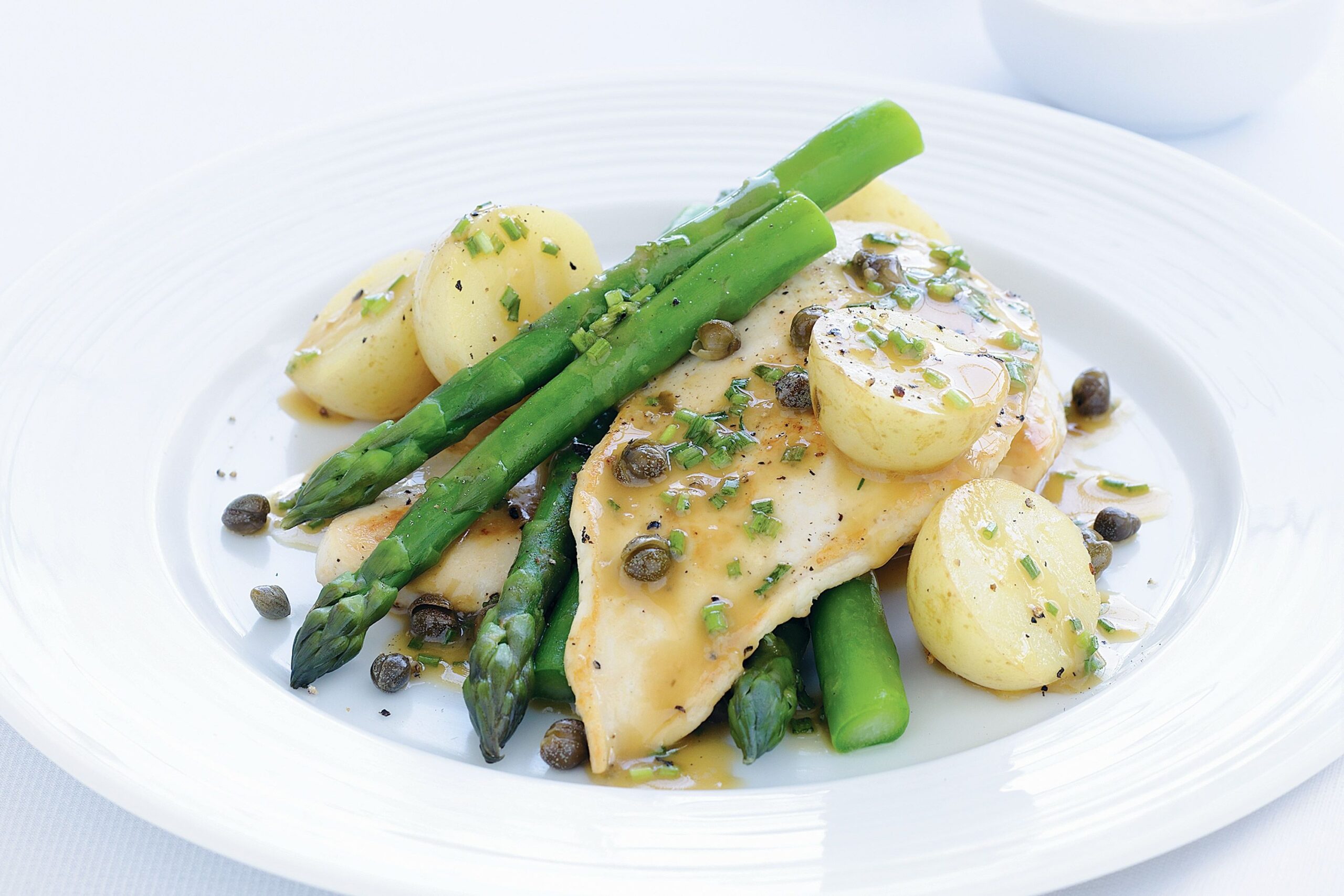
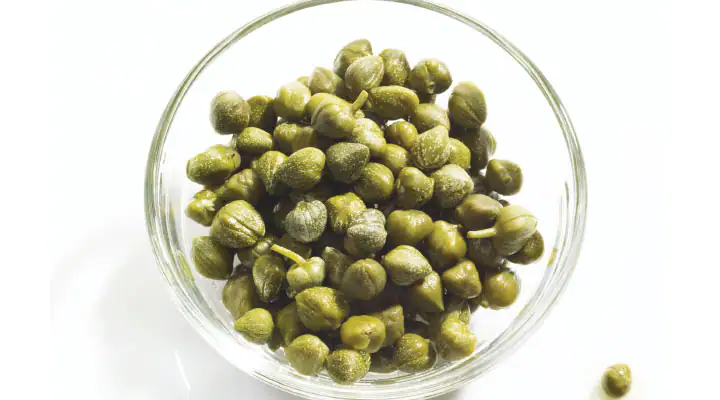
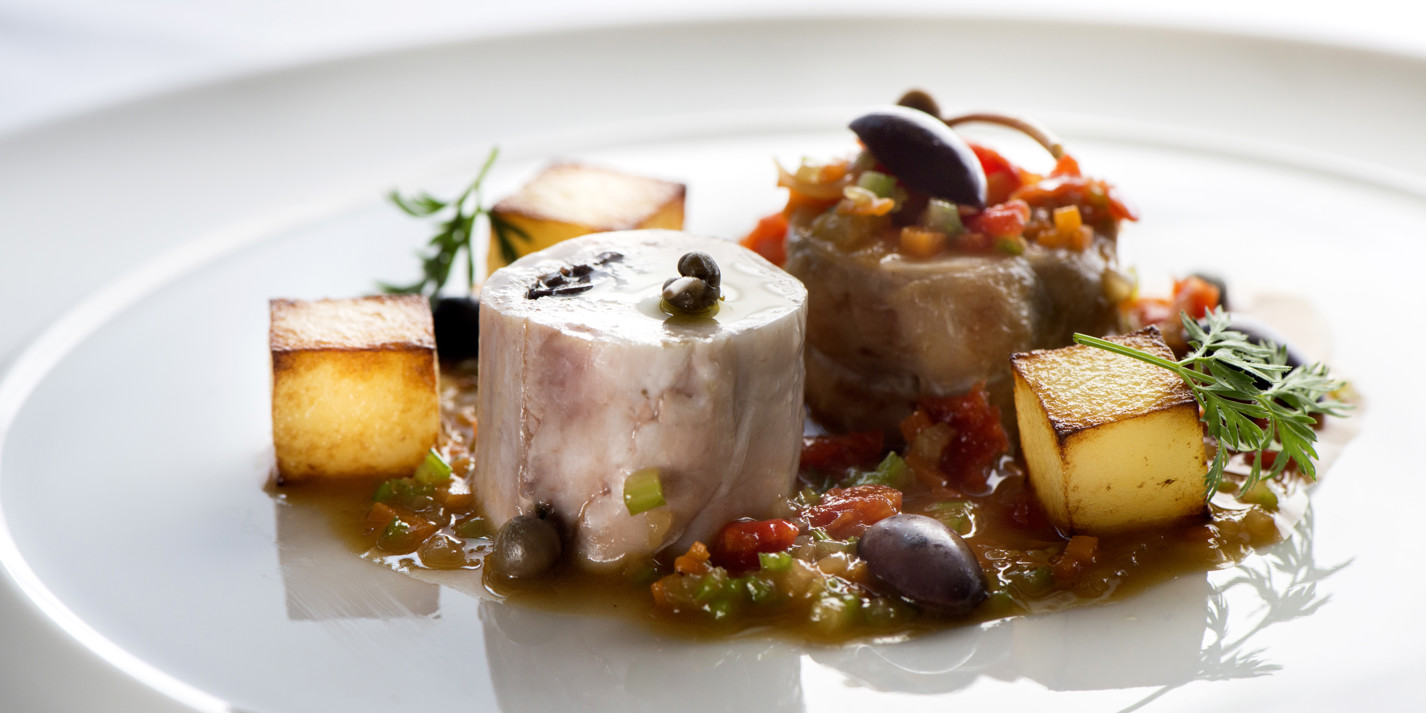
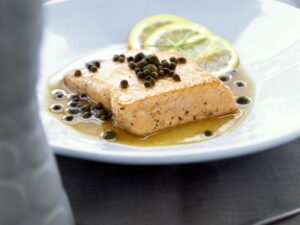
and flare to any dish. Capers and caper berries, when used in cooking, add to a dish more depth and complexity of flavor than you would anticipate from any single ingredient. The main tangy flavour comes from the naturally occurring mustard oil that is found throughout the plant, which when used in cooking, imbues the dish with a deep underlying tones of a subtle mystic Mediterranean heat. With the addition of a few capers you can instantly capture the fresh, sun-drenched flavors of Spain, Italy, Provence, Greece, Morocco, Algeria and Tunisia. Capers (salted flower buds). - Scatter a small handful into any fish dishes
- Sprinkle into a potato, green or tomato salad
- Add when you make your favourite pasta sauce.
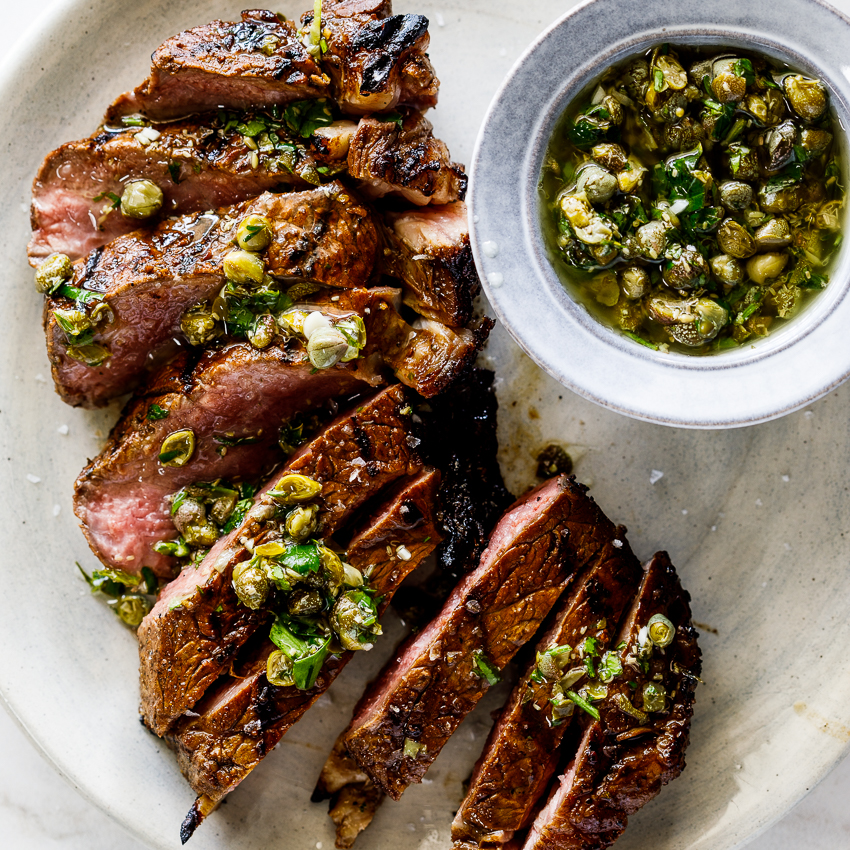
- Blend with butter and dab on crusty bread, grilled meat or vegetables
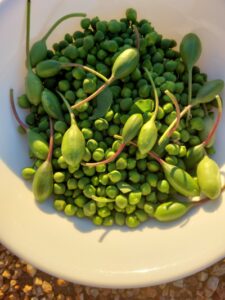
Caperberries (fermented fruit) - Placed in a bowl and eaten like olives
- Replace capers or olives in pasta or risotto’s
- Made into a chutney or paste
SERVED with smoked salmon; toss into roast vegetables; mix with scrambled eggs for extra zing; add to tomato, wine, cream or milk based sauces.
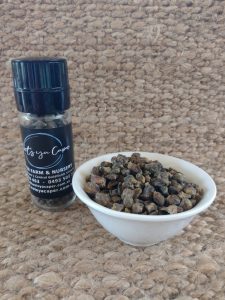
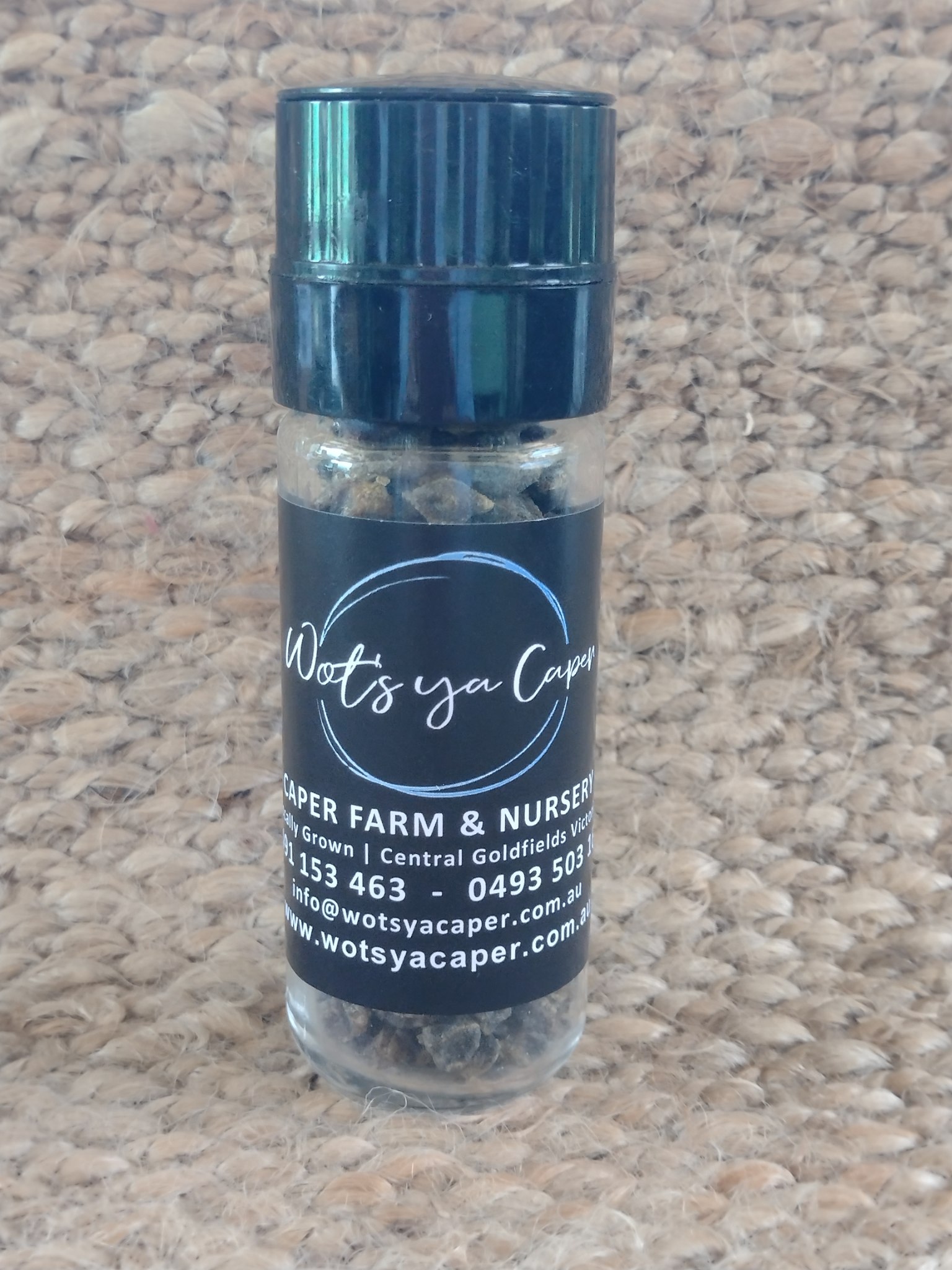
STUFF or sprinkle around chicken, pork, lamb, rabbit, or veal before baking or roasting BLEND in to create tartare sauce, tapas , salsa, antipasto, tapenades, pesto’s and dips MIX with your favorite salad dressing. My favorite quirky use: In a Martini, replace an olive with a large caper bud or a few smaller ones on a toothpick. First, gently rinse and soak the salted bud for five minutes. Try stopping at one! Tips for Chefs and Cooks Tip #1: When purchasing capers: - For the best tasting capers choose only capers packed in salt that look firm, not soggy or dried out.
- Look for the white marks on buds and berries. It is crystallized rutin which is a powerful anti-oxidant that research says help vascular health and reduce the risk for heart disease.
- Caperberries should have a crisp crunch when bitten into
Tip #2: We grade the caper buds into four sizes (tiny, small, medium, large). The flavour per tablespoon is about the same no matter what the size, so match the size with the presentation of the dish. You may wish to chop larger capers before adding to your dish. Tip #3: Australian capers are more intense in flavour than imported capers, so you can use less, but I do not know why you would add less capers, life is there to be enjoyed. Tip #4: If the dish requires salt just add capers straight from the jar and hold off adding any more salt. Salt is used in the processing to draw out the initial bitterness of raw buds. Tip #5: The quickest way to reduce the intensity of the salt in the salted buds is to lightly rinse and soak in warm water to taste, approximately 5 to 60 minutes. Tip #6: The traditional way to reduce salt is to brush off salt and soak in warm water for 5 to 30 minutes then replace the water and soak to taste. Tip #7: The mustard oil is volatile, so for best flavour, add capers at the end of the cooking process Also, the flavour of rinsed caper berries tolerates boiling much better than buds and I prefer them to buds whenever the food is boiled or otherwise heated, e.g., sliced for risotto or pasta sauces. Tip #8: Being a herb, capers will fade in bright light and heat, especially sunlight. Capers should be kept in a cupboard for the best colour retention. Winning combinations with capers and caper berries Fish, shell fish, poultry, lamb, veal, pork, rabbit and other game meat; vegetables (especially tomatoes and potatoes, eggplant) eggs, anchovies, olives and olive oils, milk and cream; most Mediterranean spices ( tarragon, garlic, onion, horseradish, parsley, basil, oregano and garlic, chervil, just to name a few)
|