


| Caper Tips for Chefs and Cooks |
|
|
|
![]()
Tip #1: When purchasing capers:
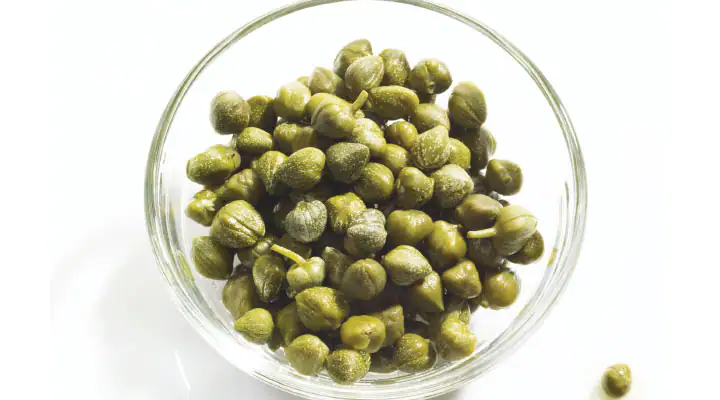
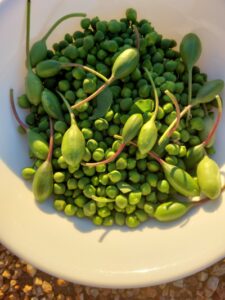
Tip #2: We grade the caper buds into four sizes (tiny, small, medium, large). The flavour per tablespoon is about the same no matter what the size, so match the size with the presentation of the dish. You may wish to chop larger capers before adding to your dish.
Tip #3: Australian capers are more intense in flavour than imported capers, so you can use less, but I do not know why you would add less capers, life is there to be enjoyed.
Tip #4: If the dish requires salt just add capers straight from the jar and hold off adding any more salt. Salt is used in the processing to draw out the initial bitterness of raw buds.
Tip #5: The quickest way to reduce the intensity of the salt in the salted buds is to lightly rinse and soak in warm water to taste, approximately 5 to 60 minutes.
Tip #6: The traditional way to reduce salt is to brush off salt and soak in warm water for 5 to 30 minutes then replace the water and soak to taste.
Tip #7: The mustard oil is volatile, so for best flavour, add capers at the end of the cooking process Also, the flavour of rinsed caper berries tolerates boiling much better than buds and I prefer them to buds whenever the food is boiled or otherwise heated, e.g., sliced for risotto or pasta sauces.
Tip #8: Being a herb, capers will fade in bright light and heat, especially sunlight. Capers should be kept in a cupboard for the best colour retention.
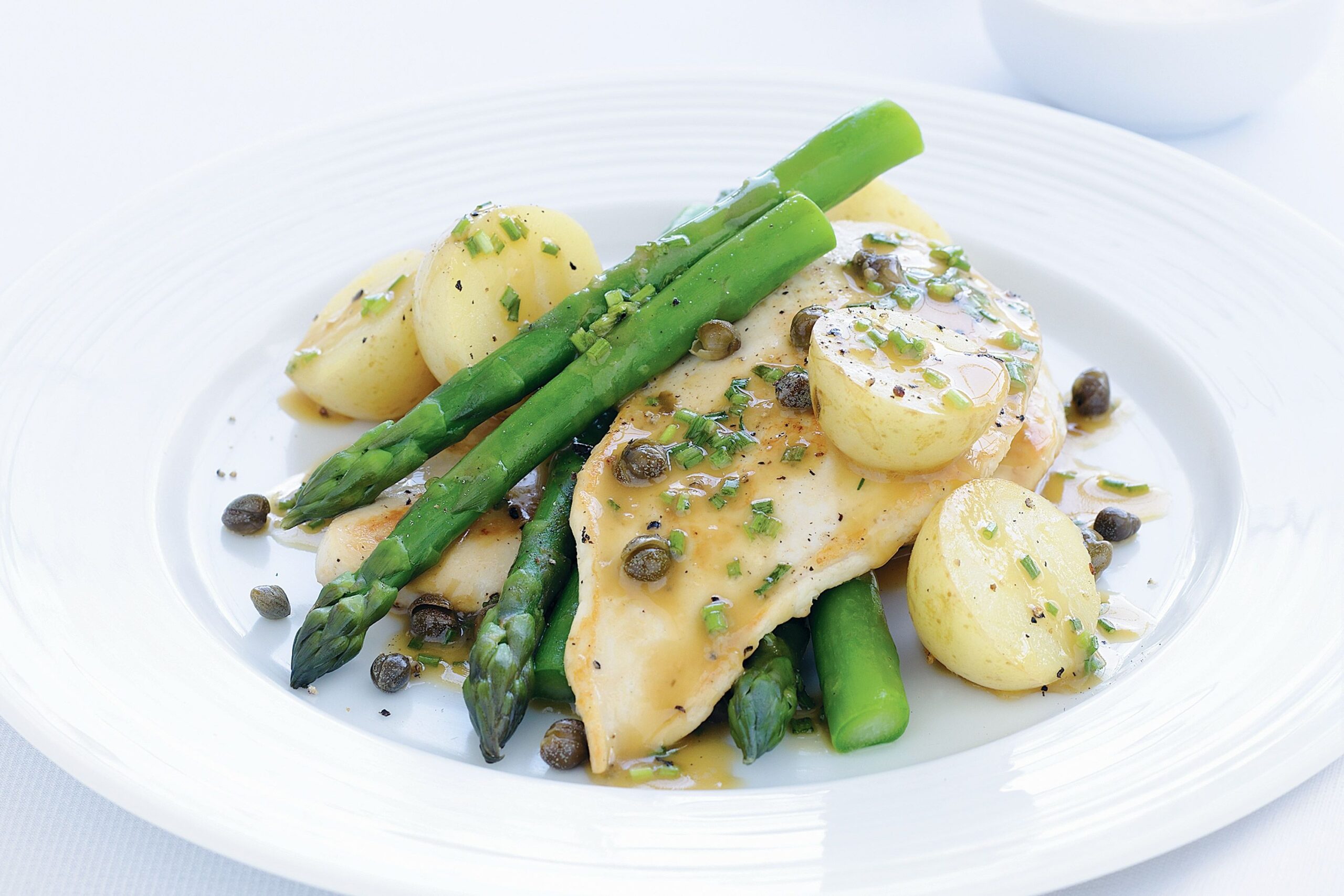
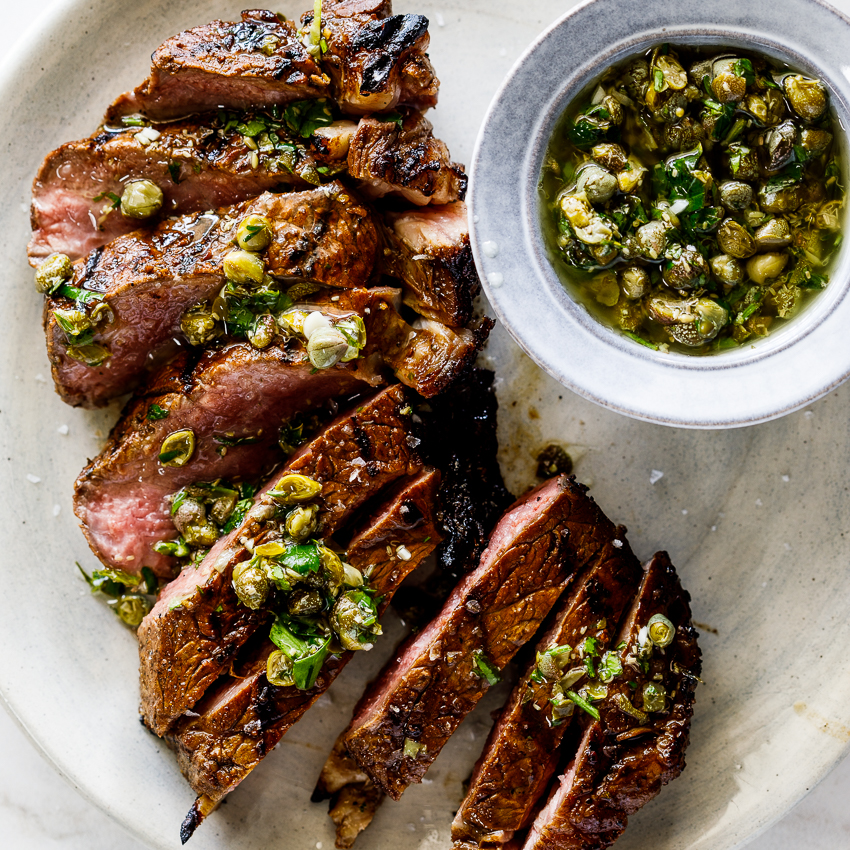
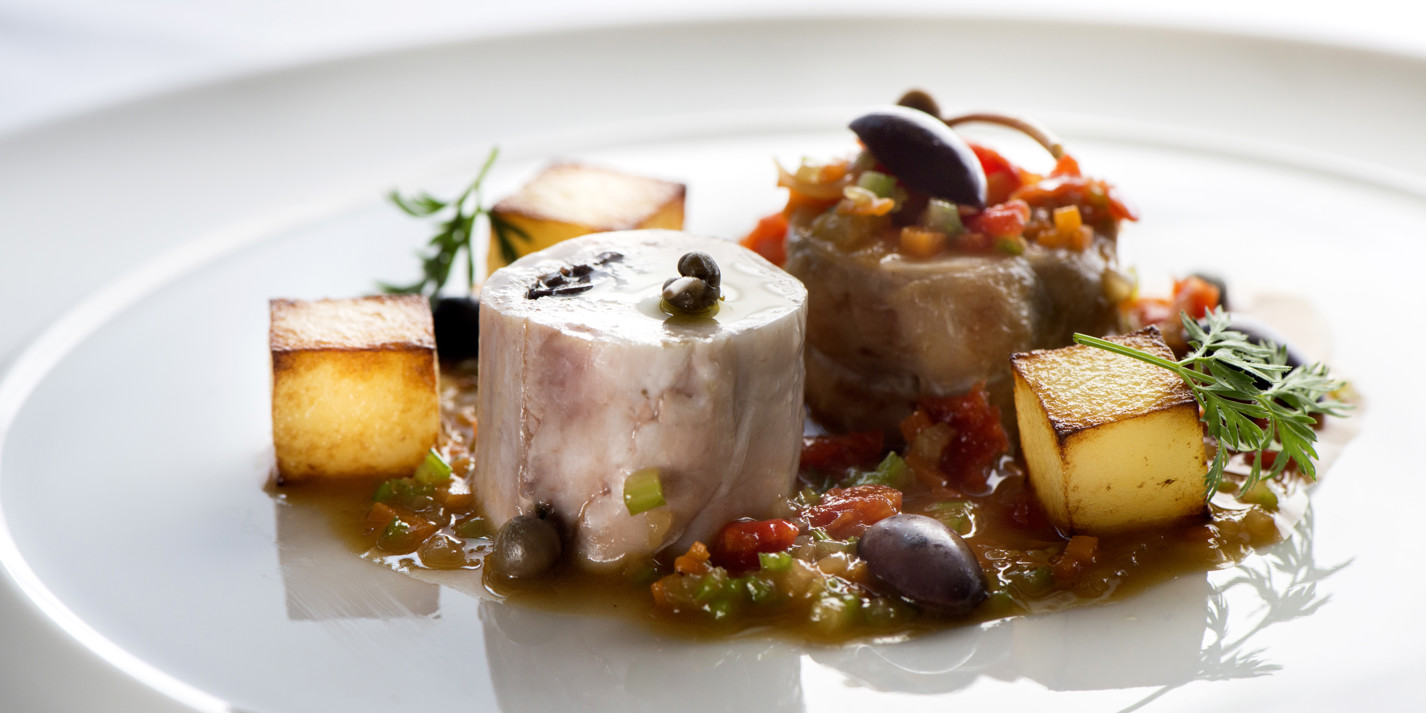
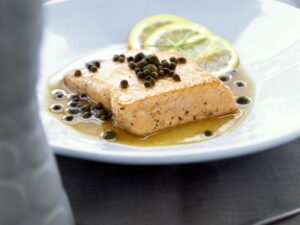
Winning combinations with capers and caper berries Fish, shell fish, poultry, lamb, veal, pork, rabbit and other game meat; vegetables (especially tomatoes and potatoes, eggplant) eggs, anchovies, olives and olive oils, milk and cream; most Mediterranean spices ( tarragon, garlic, onion, horseradish, parsley, basil, oregano and garlic, chervil, just to name a few) |
Content Layouts